
What is the Global Economy?
The global economy means all the countries in the world are connected through money, trade, jobs, and technology.
It is like one big marketplace where everyone buys, sells, and shares with each other.
🛒 How It Works

- Countries trade goods (example: Pakistan sells textiles, Saudi Arabia sells oil, China sells electronics).
- People and companies invest money in different countries.
- Workers move to other countries to earn money and send it back home.
- Technology connects businesses and markets across the world.
📊 Today’s Situation (2025)

- Some countries are growing fast (like China and India).
- The U.S. and Europe are still very important in trade and technology.
- The world is moving from oil to clean energy (solar, wind, electric cars).
- Problems: high prices (inflation), debts, wars, and climate change.
⚖️ Big Challenges
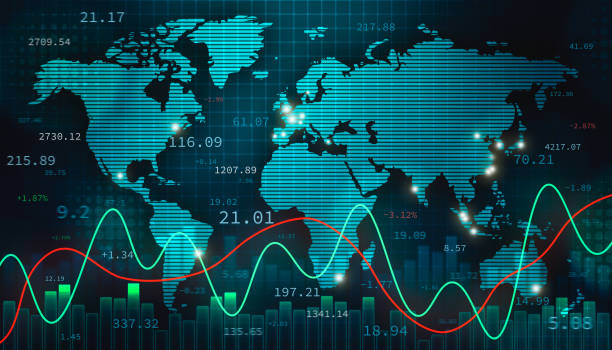
- Poor and rich countries are very unequal.
- Climate change is a serious risk for the future.
- Global tensions (U.S.–China, Russia–West) make trade harder.
A Simple Story of the Global Economy
Once upon a time, there was a big village called Earth.
In this village, every family (country) had something special:
- The American family made new machines and technology.
- The Chinese family built things quickly and cheaply.
- The Indian family had many smart workers for computers.
- The Saudi family had lots of oil.
- The African families had gold, coffee, and natural resources.
- The European families made luxury cars, fashion, and medicines.
Every family needed something from another family.
So they started trading — giving what they had and taking what they needed.
But sometimes, problems came:
- If one family stopped working (like during COVID-19), the whole village had less food and goods.
- If two families fought (like wars), the prices in the market went up.
- If the weather was too hot or too cold (climate change), farms gave less food.
To solve problems, the families made village groups:
- One group helped with money (IMF, World Bank).
- One group made rules for trading (WTO).
- Big families made secret meetings (G7, G20) to plan the future.
So the global economy is like this village market:
Everyone is connected.
If one family is happy, many others become happy.
If one family is in trouble, others feel the pain too.
👉 That’s why the world is called a global economy —
because all families (countries) live, work, and grow together.
Benefits of the Global Economy
- More Choices for People
- We can buy things from all over the world.
- Example: Mobile phones from China, clothes from Pakistan, cars from Japan.
- Cheaper Prices
- Countries make what they are best at.
- This makes products cheaper for everyone.
- Better Jobs & Opportunities
- People can work in other countries.
- Companies can hire workers worldwide.
- Sharing Technology
- New ideas, machines, and medicines spread faster.
- Example: Vaccines for COVID-19 were shared across countries.
- Economic Growth
- Trade and investment help poor countries grow.
- Rich countries also earn more by selling goods worldwide.
- Peace & Cooperation
- When countries trade and depend on each other, they are less likely to fight.
- Improved Living Standards
- People get better education, healthcare, and lifestyle because of more money flow.
Disadvantages of the Global Economy
- Rich vs. Poor Gap
- Rich countries and big companies earn more.
- Poor countries often stay poor.
- Job Losses
- Some jobs move to cheaper countries.
- Example: A factory may close in one country and open in another where workers are paid less.
- Too Much Dependency
- If one country has a problem (war, disease, disaster), many others suffer too.
- Example: During COVID-19, supply chains broke and prices went up everywhere.
- Unfair Trade
- Big countries sometimes control trade rules.
- Small countries may not get equal benefits.
- Environmental Damage
- More factories and shipping cause pollution.
- Climate change gets worse.
- Cultural Loss
- Local products and traditions sometimes get replaced by global brands.
- Economic Crises Spread Fast
- If one big economy crashes (like U.S. in 2008), it can affect the whole world.




👉 In short:
The global economy gives many benefits, but it also has risks like inequality, job loss, and environmental harm.
Thanks for sharing. I read many of your blog posts, cool, your blog is very good.
Thanks for sharing. I read many of your blog posts, cool, your blog is very good. https://accounts.binance.com/register-person?ref=IHJUI7TF