Nice — solar is a great field right now. Below is a practical, ordered checklist you can follow from idea → first customers → scale. I include Pakistan-specific regulatory / training pointers (sources) so you won’t miss local requirements.
1) Decide your business model (pick 1–2 to start)
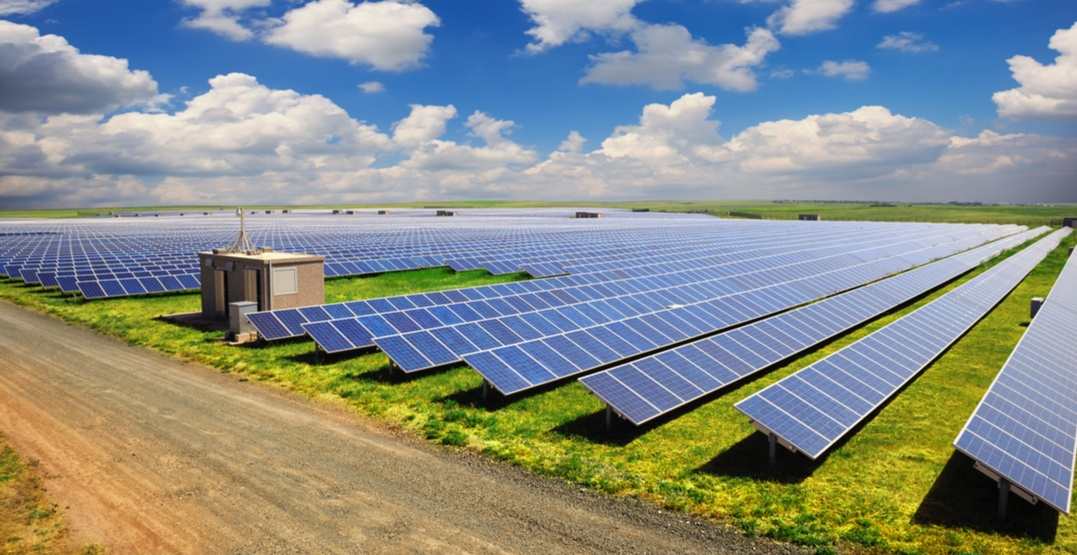
Options: residential rooftop sales & installation, commercial/industrial (C&I) systems, solar retail (panels/inverters), operations & maintenance (O&M), net-metering project developer, or lead/referral business (sales only). Each has different capital, staff skill and certification needs. (See general how-to guides). Aurora Solar+1
2) Market research & validating demand
Survey local areas (DISCO coverage, electricity prices, load patterns). For Pakistan, rooftop/net-metering uptake has been strong but policies and buyback rates have changed recently — check your local DISCO and NEPRA rules before pricing. Dawn+1
3) Legal setup & company registration
Register with SECP (reserve name → incorporate), register for taxes with FBR, and get any import/export or local trade licenses you need. Proper company registration is often required for AEDB/AEDB-listed installer applications and import permits. Tenco Consulting
4) Certification & approvals (must for installers / net-metering)
In Pakistan, many DISCOs and the AEDB require you to be an AEDB-certified installer for grid-connected systems (different categories by kW). To offer net-metering services you usually must work through an AEDB/registered installer and follow NEPRA/DISCO net-metering procedures. Check the AEDB certified-installer lists and NEPRA net-metering pages. Private Power & Infrastructure Board+2FESCO+2
5) Training & hire staff
Get trained staff (PV design, electrical wiring, O&M, safety). Public/private training courses exist (technical colleges, PSDF, university short courses, OEM certified installer programs). Consider sending a lead installer to an OEM certification (e.g., inverter manufacturers). PSD Foundation+2NED University Academy+2
6) Suppliers & procurement
Negotiate with panel, inverter and mounting suppliers. Start with trusted brands and get sample kits to demo. Ask suppliers for warranties, bank guarantees, and technical support. Consider inventory vs. drop-ship model depending on capital.
7) Technical setup: design, quoting & tools
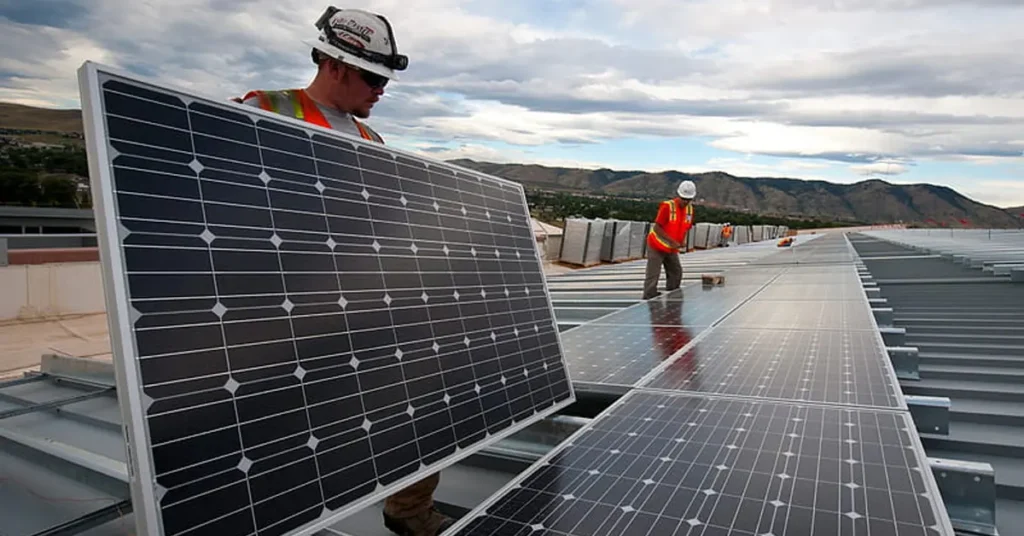
Create standard templates for site survey, single-line diagram, Bill of Materials (BOM), and a professional quotation with payback/IRR estimates. Use PV design software or partner with a designer. Standardize installation checklists and electrical testing procedures. Aurora Solar
8) Financing & pricing options
Decide if you’ll offer cash sales, financing/EMI (partner with banks/financiers), or leasing/PPA models. In Pakistan many customers use financing; net-metering economics changed recently so model payback carefully before promising customers returns. Feroze Power Limited+1
9) Net-metering & interconnection process (Pakistan specifics)
If you plan grid-tie systems: ensure the system and installer meet AEDB/NEPRA requirements, submit net-metering application via the DISCO process (often installer-assisted), and arrange inspection & meter installation with DISCO. Note: policy/buyback rates have been revised recently — verify current DISCO/NEPRA guidance when preparing proposals. Alpha Solar+2NEPRA+2
10) Sales, marketing & lead generation
Build case studies, demo installs, Google/FB ads, local partnerships (builders, electricians), and attend trade shows. Offer energy audits and free site surveys to convert leads. Use clear financing and payback charts in sales meetings.
11) After-sales, warranties & O&M
Offer service packages and respond quickly to warranty claims. Track maintenance schedules and spare-parts inventory. Good O&M increases referrals and recurring revenue.
12) Scale, diversify & compliance
After 20–50 installs you can scale into C&I, contracting for larger tenders, or add product lines (batteries, EV chargers). Keep compliance up to date: NEPRA/AEDB/DISCO rules may change and affect pricing and net-metering economics. NEPRA+1
Quick startup checklist (one-page)

- Pick business model (residential / C&I / retail / O&M)
- Business registration (SECP) & FBR tax registration. Tenco Consulting
- Apply / qualify as AEDB certified installer or partner with one. Private Power & Infrastructure Board
- Staff training + safety PPEs. PSD Foundation
- Supplier agreements (panels, inverters, mounts) and sample kits.
- Tools, insurance (public liability) and vehicle for field teams.
- Standard templates: survey, single-line, BOM, quotation, contract. Aurora Solar
- Net-metering application workflow with local DISCO. Alpha Solar+1
- Marketing plan & initial budget.
Useful Pakistan links (to check now)
- NEPRA net-metering / licensing info. NEPRA
- AEDB / certified installer lists (check applicable category). Private Power & Infrastructure Board+1
- Recent policy coverage about revised buyback / net-metering economics. Dawn
- Practical registration checklist for companies in Pakistan. Tenco Consulting
If you want, I can immediately (pick one):
- Draft a one-page business plan (revenue/expense lines & break-even) tailored to residential installs in Pakistan.
- Create standard documents: site-survey form, quotation template, and customer contract (editable).
- Build a short sales pitch / ad copy for Facebook + a list of 10 local lead sources in your city
Your article helped me a lot, is there any more related content? Thanks!
yes
Your article helped me a lot, is there any more related content? Thanks! https://www.binance.com/zh-CN/register?ref=WFZUU6SI
yes
Your article helped me a lot, is there any more related content? Thanks!
Yo, heard about vuagaaz from a friend. Gave it a look and I’m kinda digging the vibe. Might be my new go-to. See what you think here: vuagaaz