
How to Start Selling a Product Online: A Step-by-Step Guide
In the digital age, selling products online has become a powerful way to reach customers, grow a business, and generate income. Whether you’re an aspiring entrepreneur or a small business owner looking to expand your reach, getting started with online selling doesn’t have to be overwhelming.
Here’s a step-by-step guide to help you launch your online product sales successfully.
1. Choose What You Want to Sell
The first and most crucial step is deciding what product(s) you want to sell. It could be:
- Physical products (handmade crafts, clothing, gadgets)
- Digital products (eBooks, software, courses)
- Services (consulting, design, freelance work)
Tips:
- Focus on a niche you understand.
- Conduct market research to ensure demand.
- Start small to test the market.
2. Identify Your Target Audience
Understanding who your customers are will help you tailor your product, pricing, and marketing strategy.
Ask yourself:
- Who is most likely to buy this product?
- What problems does it solve for them?
- Where do they spend time online?
3. Choose the Right Selling Platform
There are several platforms to choose from, depending on your product and goals:
- Online Marketplaces: Amazon, eBay, Etsy — Great for fast setup and existing customer base.
- E-commerce Platforms: Shopify, WooCommerce, BigCommerce — Ideal for creating a branded online store.
- Social Media: Facebook Marketplace, Instagram Shop, TikTok Shop — Good for visual products and impulse buys.
Tip: You can also combine platforms (e.g., have a Shopify store and sell on Etsy).
4. Set Up Your Online Store
If you’re using an e-commerce platform:
- Choose a domain name that matches your brand.
- Select a theme or template.
- Add your logo and brand colors.
- Write clear product descriptions.
- Use high-quality product photos.
Don’t forget essential pages:
- Home
- About
- Contact
- FAQ
- Return policy
5. Organize Payments and Shipping
Make sure customers can pay and receive their products easily.
Payment Options:
- Credit/debit cards
- PayPal
- Stripe
- Mobile payments (Google Pay, Apple Pay)
Shipping Options:
- Offer free shipping (build it into the product price)
- Use courier services (FedEx, UPS, DHL)
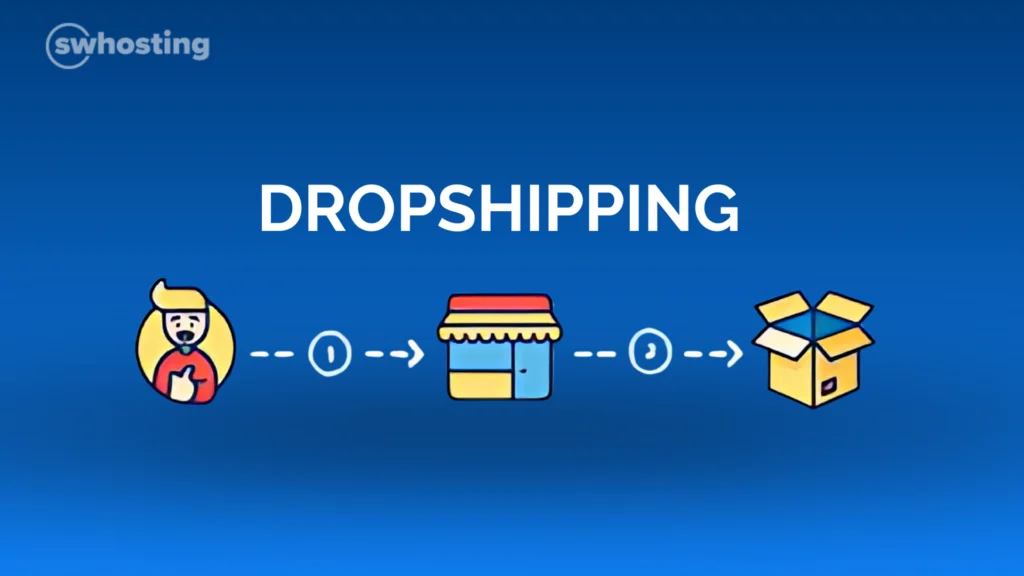
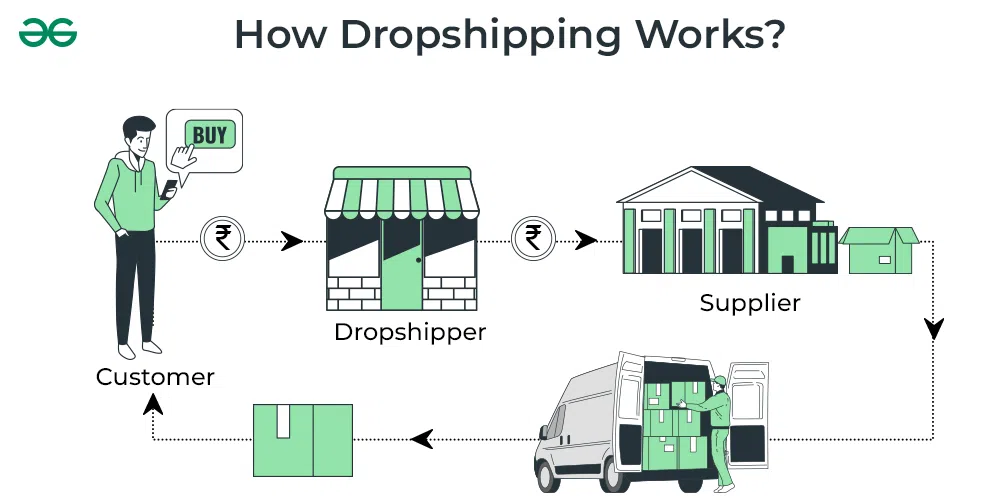
- Dropshipping (supplier handles shipping)
6. Price Your Products Wisely
Pricing should reflect your costs, market standards, and customer expectations.
Consider:
- Cost of production or sourcing
- Shipping and packaging
- Platform fees
- Competitor pricing
7. Promote Your Online Store
Once your product is live, drive traffic to your store through marketing.
Strategies:
- Social media marketing (Instagram, Facebook, TikTok)
- Search engine optimization (SEO)
- Email marketing (newsletters, product updates)
- Influencer partnerships
- Paid ads (Google Ads, Facebook Ads)
8. Manage Orders and Customer Service
Delivering a good experience is key to repeat business and reviews.
- Keep track of inventory.
- Send order confirmations and shipping updates.
- Respond quickly to questions and complaints.
- Ask for customer reviews and feedback.
9. Analyze and Improve
Use data to refine your approach:
- Track sales, website traffic, and customer behavior.
- Use tools like Google Analytics, Facebook Insights, and Shopify Reports.
- Test different prices, marketing campaigns, and product variations.
Conclusion
Selling products online can be both exciting and rewarding if approached strategically. By understanding your product, your audience, and your platforms, and by continuously refining your approach, you can build a successful online business.
Whether you’re selling handmade jewelry, digital art, or health supplements, the internet offers endless opportunities for growth — and your journey can start today.