
Nice — here’s a practical, step-by-step guide you can use to start a beauty salon from zero. I made it action-focused (what to do now), included a startup checklist, an equipment & staffing list, sample monthly cost categories, and a 30/60/90-day launch plan. I also flagged the most important legal/health items you must check locally.
Step-by-Step: Start a Beauty Salon
1) Decide your salon concept & niche (Day 0–3)
- Pick the type: hair only, full service (hair + nails + facials), express blow-dry, luxury spa, bridal makeup, or budget neighbourhood salon.
- Define target customers (age, income, busy professionals, students, bridal market).
- Pick a name and 1–2 clear differentiators (price, speed, organic products, home service, evening hours).
Why it matters: a clear niche shapes location, pricing, equipment and marketing. liveplan.com+1
2) Market research & simple business plan (Week 1)
- Visit competitors (3–6 nearby salons): note prices, busiest times, services, strengths/weaknesses.
- Estimate demand: how many haircuts/appointments per day could a salon in that area get?
- Write a 1-page business plan: mission, services, pricing, 12-month sales forecast, startup budget, break-even estimate.
Use templates (SBA / LivePlan style) to keep it short and bank/investor ready. Small Business Administration+1
3) Choose location & negotiate lease (Week 2–4)
- For walk-in salons: street/market frontage, visibility, parking, foot traffic.
- For appointment-based/luxury: quieter, easy access, good interior potential.
- Ask about permitted uses, rent + deposit, length (prefer 1–2 year with renewal option).
- Check zoning and whether you need special permits for signage or renovations. goodcall.com
4) Legal registrations & permits (Week 2–6)
- Register business entity (sole-proprietor, partnership, private company depending on country).
- Get local business license / trade license; get salon/cosmetology license if required in your jurisdiction.
- Health & safety compliance: sanitation standards, sterilization, waste disposal — many local health departments inspect salons. Carry liability insurance. If renovating, check building permits. biz.booksy.com+1
(Important: exact permits vary by country/city — confirm with your municipal office or relevant cosmetology board.)
5) Services, menu & pricing (Week 3)
- Create a menu with 6–10 core services (e.g., haircut, blow-dry, colour, manicure, facial, threading/wax).
- Price competitively based on local competitors and your target profit margin.
- Build add-ons (deep conditioning, scalp massage, express polish) to increase average ticket.
6) Fit-out, equipment & supplies (Week 4–8)
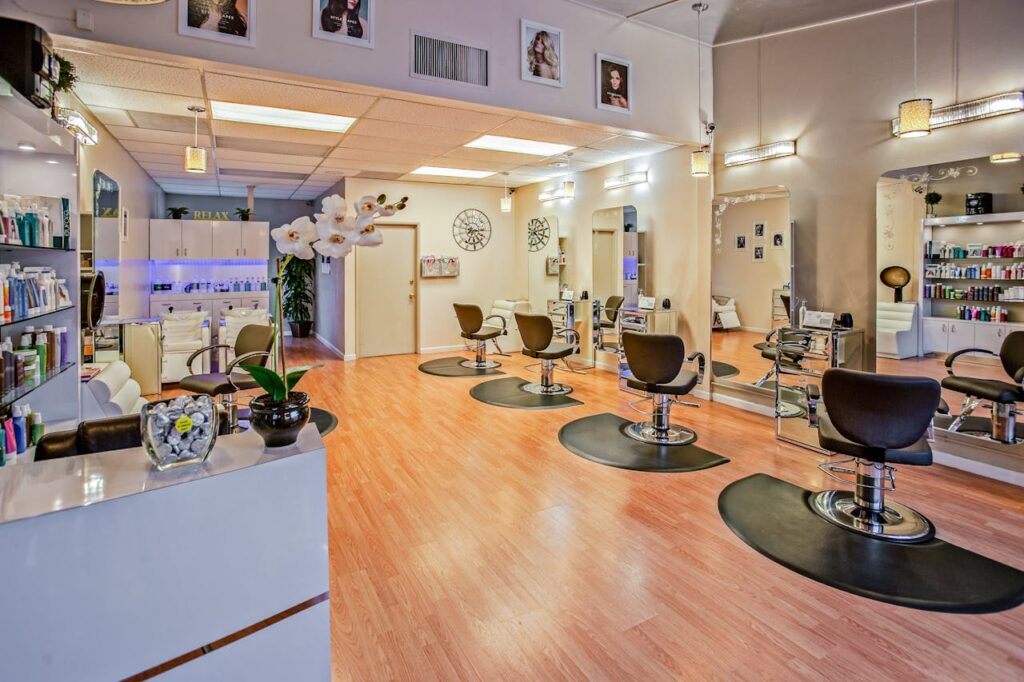
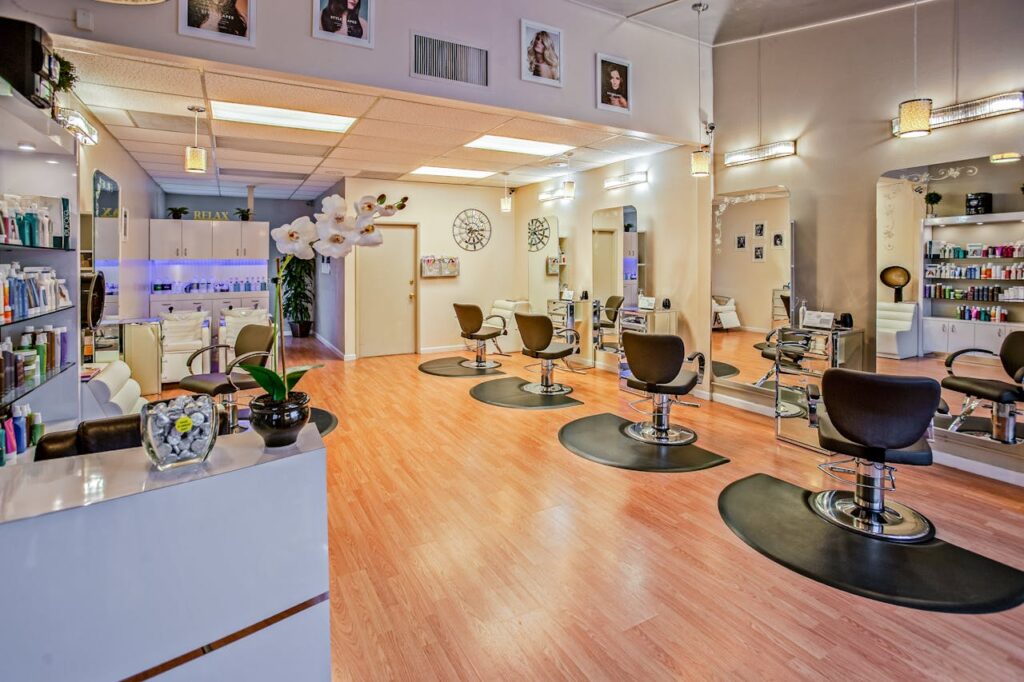
- Essentials: styling chairs, shampoo bowls, mirrors, work stations, reception desk, waiting chairs, trolleys, hairdryers, scissors, clippers, sterilizer (autoclave or UV), towels, capes, bowls/brushes. ZOLMI+1
- Buy quality for high use items (chairs, shampoo sinks), source consumables from wholesale suppliers to reduce cost.
- Plan storage and laundry for towels, ventilation for chemical services, and good lighting for color work.
7) Hire & train staff (Week 6–10)
- Roles: stylists/technicians, receptionist, cleaner (part-time), manager (optional).
- Hire experienced stylists or junior stylists with strong customer skills. Offer commissions or fixed pay + commission.
- Create standard operating procedures (SOPs) for sanitation, service steps, customer greeting, payment handling.
8) Systems: POS, appointments & accounting (Week 6–10)
- Use salon POS / booking software (appointments, reminders, inventory, staff scheduling).
- Set up a business bank account, simple accounting (spreadsheet or accounting app) and track daily sales/expenses.
- Implement digital payments and contactless options if possible.
9) Marketing & launch (Week 8–12)
- Create Google Business Profile and social accounts (Instagram, Facebook). Post before/after photos and staff bios.
- Pre-launch offers: discount for first 100 bookings, referral program, partner with local wedding shops/gym.
- Run targeted ads for opening week, use promos for slow hours.
- Build an opening day event with small freebies and bookings.
10) Grand opening & first 90 days
- Soft open for family/friends to test operations.
- Collect reviews and refine processes.
- Monitor KPIs: average ticket, retention rate, daily sales per chair, occupancy (% booked slots).
Startup cost ranges (ballpark)
Costs vary a lot by country, location and salon type. Typical ranges found in industry breakdowns:
- Small/home/express salon (minimal fit-out): from a few thousand USD / local equivalent (very low end, home-based or tiny kiosk).
- Basic street salon (new): ~$60,000+ (many industry summaries use $60k–$100k as a typical starting figure for a rented location with fixtures). The Salon Business+1
- Mid to high-end salon: $90k–$500k depending on build-out, brand, equipment and location. The Salon Business+1
(Use these as broad guides — local costs for rent, labor and supplies may be very different.)
Sample monthly running costs (put numbers for your local currency)
- Rent / mortgage
- Salaries / commissions
- Utilities (water, electricity, internet)
- Consumables (hair color, dyes, towels, chemicals)
- Marketing / ads
- Insurance, licenses, software subscriptions
- Loan repayments (if any)
Use a simple 12-month cash flow to estimate break-even.
Essential equipment checklist (short)
- Styling chairs (x3–6)
- Shampoo sinks & chairs (x1–3)
- Reception desk + POS terminal
- Mirrors + stations
- Hairdryers (handheld & hooded)
- Professional shears, clippers, brushes, combs
- Sterilizer / autoclave or chemical disinfectant station
- Towels, capes, aprons, gloves
- Waiting area seating, retail display for products. ZOLMI+1
Sanitation & health musts
- Sterilize/ disinfect tools between clients.
- Follow local health department rules (ventilation, waste disposal for chemical and sharps where applicable).
- Keep written SOPs and training records. goodcall.com+1
30/60/90-Day launch checklist (concise)
Before opening (30 days):
- Finalize lease, licenses, business registration.
- Order equipment and consumables.
- Hire & train staff.
- Set up POS, booking system, accounting.
- Social profiles + Google Business live.
Opening month (first 30 days):
- Soft open, fix operational snags.
- Push promotions & collect reviews.
- Track daily sales and busiest times.
60–90 days:
- Review pricing vs costs, adjust if needed.
- Introduce loyalty/referral program.
- Start partnerships (bridal, local business cross-promo).
- Review staffing needs & optimize schedules.
Quick templates you can copy
Service menu skeleton
- Haircut — women / men
- Blowdry / styling
- Colour / highlights (short/medium/long pricing tiers)
- Facial / skin treatment (if offered)
- Manicure / pedicure
- Bridal packages (prebook)
- Add-ons (scalp massage, express treatment)
Simple break-even calc (copy into spreadsheet)
- Monthly fixed costs = rent + salaries + utilities + insurance
- Average ticket = (estimate)
- Required monthly clients = monthly fixed costs / average ticket
Final practical tips & mistakes to avoid
- Don’t underprice to chase customers — you’ll lose profit.
- Train for consistency — clients return for consistent results and service.
- Control inventory — track usage and reorder to avoid stockouts.
- Collect reviews early — online reputation is crucial.
- Plan cash buffer for the first 3–6 months. FTx POS+1
If you want, I can:
- make a one-page business plan template for your salon (I’ll fill in numbers if you tell me your city and how many chairs you plan), or
- build a purchase checklist with approximate prices in your local currency, or
- create an opening-week social media content calendar you can post.
I don’t think the title of your article matches the content lol. Just kidding, mainly because I had some doubts after reading the article.