
🥗 How to Start an Online Restaurant – Step-by-Step Guide
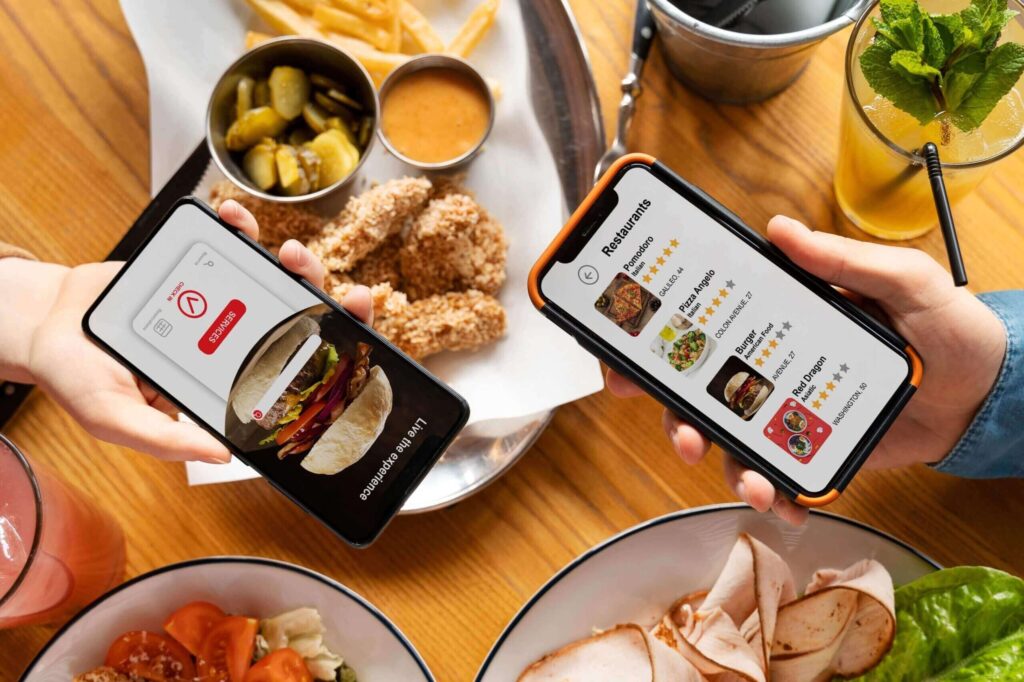
Starting an online restaurant is a smart way to sell food without needing a dining space. It saves money and lets you reach many customers online.
Here is a simple step-by-step guide to help you get started.
✅ Step 1: Decide Your Food Concept
Before anything else, decide:
- What kind of food you will sell (e.g., burgers, pizza, healthy bowls, desserts).
- Your food style (fast food, homemade, vegan, etc.).
- Your target audience (college students, working professionals, families, etc.).
📌 Tip: Choose something you’re good at or passionate about. It helps with quality and consistency.
✅ Step 2: Create a Business Plan
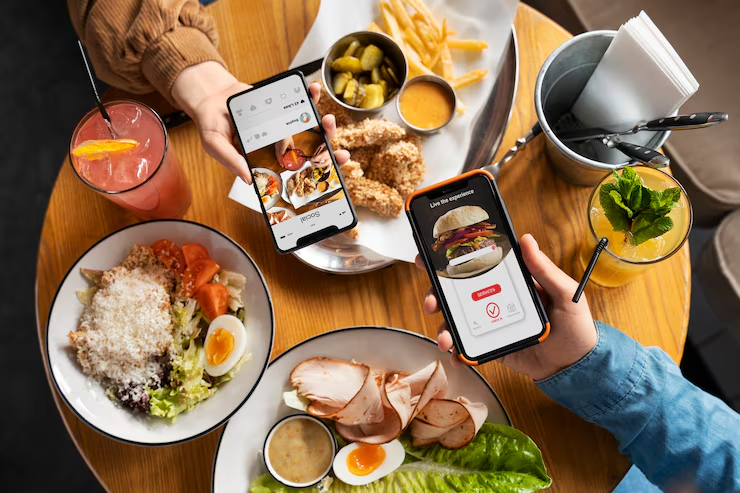
Make a simple plan that includes:
- Food menu
- Pricing
- Delivery area
- Costs (ingredients, packaging, promotion)
- Profit goals
📌 Tip: Even a short plan helps you stay focused and avoid mistakes.
✅ Step 3: Get Legal Licenses
You may need:
- Food business registration
- FSSAI license (in India) or food handler’s permit (in other countries)
- GST or tax registration (if required)
- Local health department approval
📌 Tip: Check your local rules — they are different in each country or city.
✅ Step 4: Set Up a Kitchen
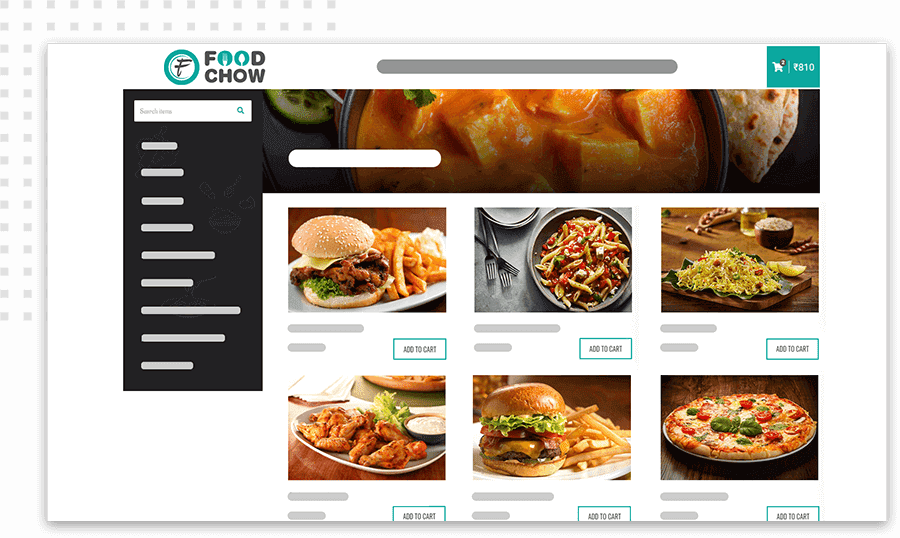
You need a clean, organized space to cook.
You can choose:
- Home kitchen (for small orders)
- Cloud kitchen / shared kitchen (for bigger scale)
- Rented commercial kitchen
📌 Tip: Make sure your kitchen follows safety and hygiene standards.
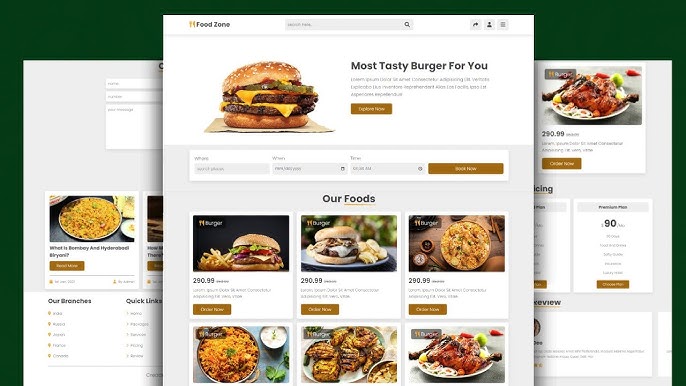
✅ Step 5: Create a Tasty, Profitable Menu
Keep your menu simple at first.
- Choose 5–10 best items
- Use ingredients that are easy to store
- Focus on taste, speed, and packaging
📌 Tip: Offer combos or meal boxes – they are popular and profitable.
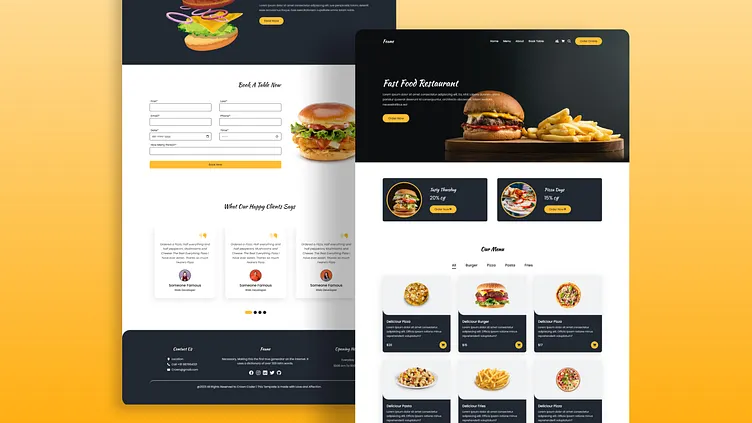
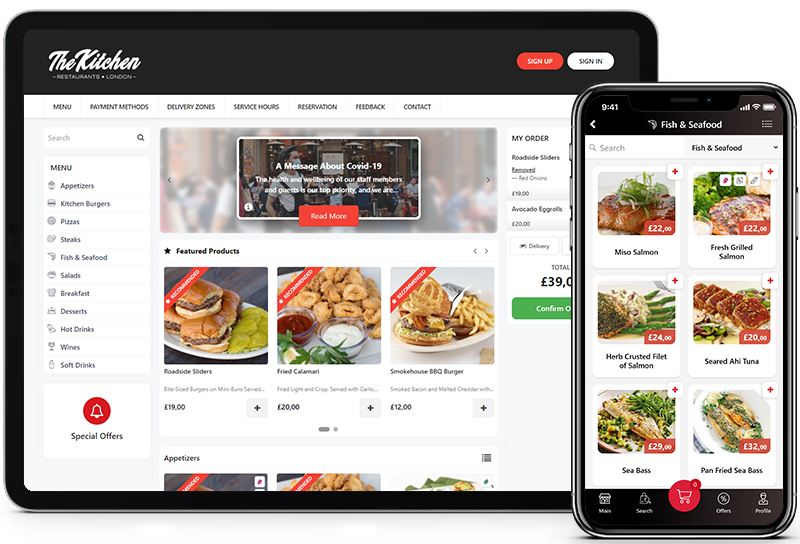
✅ Step 6: Choose Online Ordering Platforms
You can sell through:
- Food delivery apps – Zomato, Swiggy, Uber Eats, DoorDash
- Your own website – with online ordering
- Social media orders – via Instagram, WhatsApp, or Facebook
📌 Tip: Start with food apps for fast reach, then build your own customer base.
✅ Step 7: Plan Delivery Options
You can:
- Use delivery partners from food apps
- Hire your own delivery staff (if you want control)
- Use third-party delivery services
📌 Tip: Make sure delivery is fast and food stays hot/fresh.
✅ Step 8: Market Your Online Restaurant
Marketing helps people find and trust you.
Ways to promote:
- Post food photos on Instagram
- Offer discounts to first-time customers
- Ask happy customers for reviews
- Run local ads (Google, Facebook, etc.)
📌 Tip: Word of mouth is powerful. Make your food and service memorable!
✅ Step 9: Track Orders & Improve
Always check:
- Which items are selling the most
- Customer feedback
- Delivery timing
- Food quality on arrival
📌 Tip: Keep improving based on reviews and repeat orders.
✅ Step 10: Grow Your Brand
Once things are going well:
- Add new menu items
- Sell in more areas
- Launch your website or app
- Start bulk or catering orders
📌 Tip: Growth is easier once you build trust and a loyal customer base.
🔚 Final Thought
Starting an online restaurant is one of the best ways to enter the food business today. You don’t need a big budget — just passion, planning, and great food.
📝 Quick Checklist:
- ✅ Choose food concept
- ✅ Make a business plan
- ✅ Get licenses
- ✅ Set up your kitchen
- ✅ Create your menu
- ✅ Join food delivery platforms
- ✅ Organize delivery
- ✅ Do marketing
- ✅ Take feedback
- ✅ Grow step by step
🌟 How to Gain Public Trust – Step-by-Step Guide
Public trust is when people believe in you, your product, or your message. It helps you grow, build a good name, and keep loyal customers or followers.
✅ Step 1: Be Honest Always
Tell the truth — even if it’s small.
- Don’t make false promises.
- If there’s a mistake, admit it.
- Be clear about what you offer.
📌 Example: If your food takes 45 minutes to deliver, don’t say “30 minutes.”
✅ Step 2: Deliver What You Promise
People trust those who do what they say.
- Deliver on time.
- Give good quality every time.
- Be reliable.
📌 Tip: Consistency builds trust. One-time success isn’t enough.
✅ Step 3: Show the Human Side
Let people see who you really are.
- Share behind-the-scenes photos or videos
- Tell your story (why you started, your values)
- Show your team or work culture
📌 Why it works: People trust people, not just businesses.
✅ Step 4: Listen to Feedback
- Ask for feedback from customers or the public
- Say “Thank you” for good reviews
- Fix problems mentioned in bad reviews
📌 Tip: Respond kindly, even when someone is rude. It shows maturity and care.
✅ Step 5: Be Active and Visible
- Keep updating your social media, website, or app
- Answer questions or messages quickly
- Share updates about your business or journey
📌 Why it matters: Active presence = you’re real and reliable.
✅ Step 6: Support the Community
- Help others when you can
- Join local events or causes
- Support small businesses or people in need
📌 Result: People respect brands or individuals who give back.
✅ Step 7: Show Reviews, Testimonials & Results
Let others speak for you.
- Share screenshots of good reviews
- Ask happy customers to make short videos or quotes
- Post before-and-after results (if applicable)
📌 Tip: Real stories build big trust.
✅ Step 8: Stay Transparent
Be open about:
- Pricing
- Ingredients (if food-related)
- Delivery time
- Business practices
📌 Don’t hide things. People feel cheated when they find surprises later.
✅ Step 9: Admit and Fix Mistakes Fast
Everyone makes mistakes. The key is:
- Apologize quickly
- Fix the problem
- Offer a solution or compensation if needed
📌 Tip: A good apology can turn an angry customer into a loyal one.
✅ Step 10: Be Patient – Trust Takes Time
Trust is not built in a day.
- Keep showing up
- Keep doing good work
- Keep treating people right
📌 Long-term behavior is what builds lasting trust.
🔚 Final Thoughts
Public trust = honesty + consistency + care
Whether you’re a business owner, influencer, or startup founder, remember: people don’t trust words — they trust actions. If you do the right thing over time, people will believe in you.