
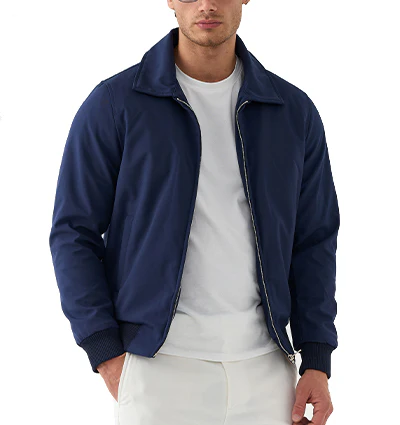
step-by-step guide to start an online jacket business (actionable, Pakistan-friendly but useful anywhere). I’ve included supplier/platform options, realistic choices (low-budget → scale up), and a 1–3 month checklist so you can start executing today.
Quick overview (3 ways to start)
- Print-on-Demand / POD — no inventory, low upfront cost, fast to launch. Good to test designs. Printful
- Dropshipping / Import — sell pre-made jackets from suppliers (AliExpress/Alibaba) with low MOQ options. Faster than manufacturing but thinner margins. Alibaba+1
- Local Manufacturing / Wholesale — order MOQ (dozens-hundreds), better margins and branding control; use local makers in Sialkot/Karachi for leather/wool/outerwear. Best for scaling. Hooke’s Collection+1
Step-by-step plan
1) Decide your niche & product mix (Day 1–7)
- Pick target audience: men’s casual jackets, women’s leather jackets, kids’ puffer jackets, moto/biker jackets, or affordable outerwear.
- Define 3 SKUs to launch (e.g., 1 casual, 1 premium leather, 1 lightweight windbreaker).
Why: focusing reduces design & inventory complexity.
2) Market research + competitor check (Day 3–10)
- Scan local marketplaces (Daraz, OLX) and Instagram stores to see pricing, materials, and what sells. Use this to set target retail price and features. Bss Commerce
3) Choose production model (Day 5–14)
- POD if testing designs / limited budget. Pros: low risk. Cons: fewer material choices for jackets. Printful
- Dropship / Import if you want ready designs with low MOQ — check Alibaba listings for jackets and MOQ options. Sample/order small batches first. Alibaba+1
- Local factory for branded jackets (contact Sialkot/Karachi manufacturers) — better quality control and customization but needs larger upfront order. Hooke’s Collection+1
4) Build brand & samples (Day 7–21)
- Create brand name, logo, and basic brand story.
- Order 2–3 samples from chosen suppliers (important to check fit, zippers, lining, labels).
- If manufacturing locally, ask for tech pack (measurements, materials) and request pre-production sample.
5) Setup sales channels (Day 10–30)
- Own website (Shopify / WooCommerce): best control & branding. Shopify is easy to start; WooCommerce is cheaper if you have hosting. Blue Gift Digital Hub+1
- Marketplaces: List on Daraz / OLX to get quick reach in Pakistan. Bss Commerce
- Social commerce: Instagram Shop + Facebook Marketplace for direct messages / Reels conversions.
6) Pricing & margins (Day 14–30)
- Calculate landed cost per unit = product cost + shipping + import duties (if any) + packaging + fulfillment.
- Aim for retail price that gives 40–60% gross margin for direct sales (higher initially if you’re on marketplaces). Use local competitor pricing as reference.
7) Product photos & listings (Day 15–35)
- Professional photos on model + flatlays. Include fabric closeups, size chart, care instructions.
- Craft persuasive product descriptions: benefits (warmth, waterproof), details (materials, zippers, pockets), and sizing.
8) Launch marketing (Day 20–60)
- Start with: Instagram Reels + Facebook Ads (target lookalike audiences), and product listings on Daraz.
- Use influencer micro-collabs (small local influencers often accept lower fees or product exchange).
- Run an introductory offer (limited time discount or bundle).
9) Logistics & fulfillment (Day 20–60)
- For Pakistan: consider courier partners that integrate with your platform (Daraz handles logistics if you sell there). For your own store, arrange a courier (many local ecommerce software providers can integrate). Ginkgo Retail+1
10) Customer service & returns (ongoing)
- Clear return policy, quick replies on chats/DMs, and quality checks before shipping to minimize returns.
Rough startup budget (examples)
- POD route: design + website + marketing = $200–$1,000 (lowest upfront). Reference: POD cost advantages. Printful
- Dropship/import (small test): samples + 50–100 units + basic website = $1,000–$5,000 (depends on MOQ & shipping). Alibaba
- Local manufacturing (scale): tech packs + MOQ (100–500) + marketing = $3,000–$15,000+ (highly variable; get factory quotes). Hooke’s Collection+1
Note: these are rough ranges — get quotes from suppliers and a local accountant for exact PKR estimates.
Practical checklist (first 30 days)
- Finalize niche & 3 SKUs
- Order 2–3 samples (POD mockups or factory samples)
- Create brand name, logo, and sizing chart
- Choose platform: Shopify / WooCommerce and marketplace accounts (Daraz) and social profiles. Blue Gift Digital Hub+1
- Shoot product photos + write listings
- Launch small ad campaign + contact 3 micro influencers
- Setup courier/fulfillment workflow
Helpful resources & next steps
- Supplier sourcing: Alibaba (for imports/drop-ship) and local directories for Sialkot/Karachi manufacturers. Alibaba+1
- Pakistan e-commerce landscape & platforms review to choose where to sell. Bss Commerce+1
- If you want, I can:
- Draft a 30-day launch timeline with exact daily tasks, or
- Write product descriptions for 3 jacket SKUs, or
- Create a sample Facebook/Instagram ad copy + caption and give recommended targeting.