
Introduction
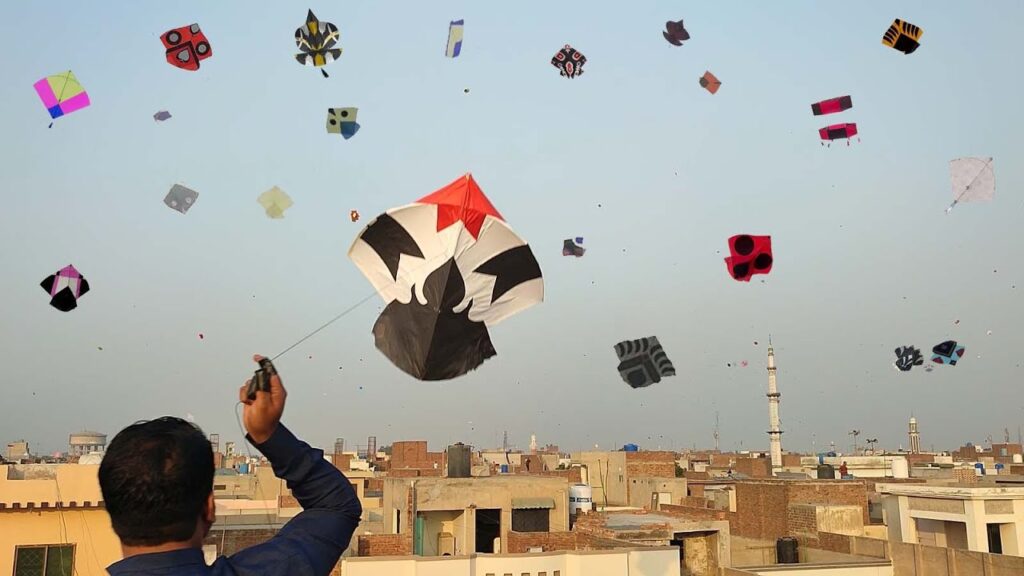
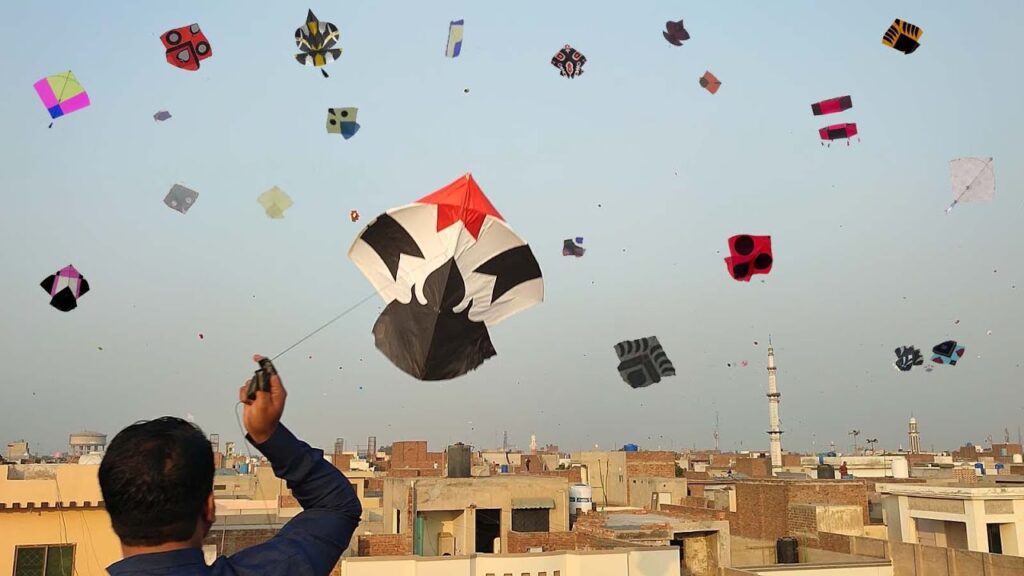
Kite making is a traditional, low-investment, high-demand business that has been practiced for generations. Kites are used for entertainment, festivals (Basant), sports competitions, cultural events, and children’s play. With creativity and quality, kite work can become a profitable home-based or small-scale manufacturing business.
This business is ideal for:
- House-based workers
- Students
- Women entrepreneurs
- Small investors
- People seeking seasonal high profits
Step 1: Understand the Kite Market

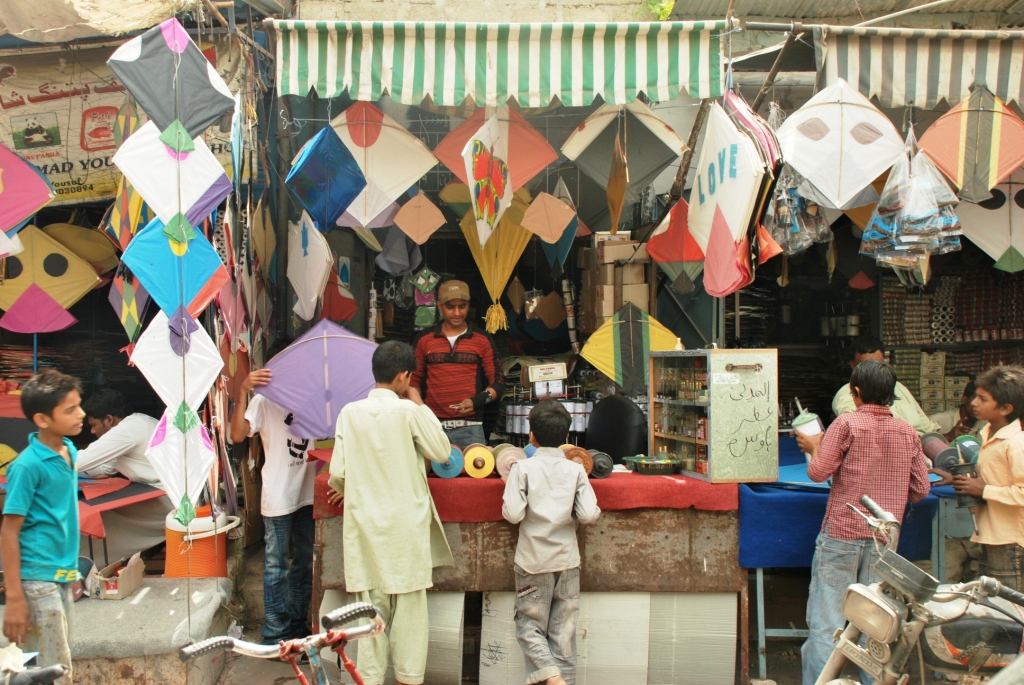
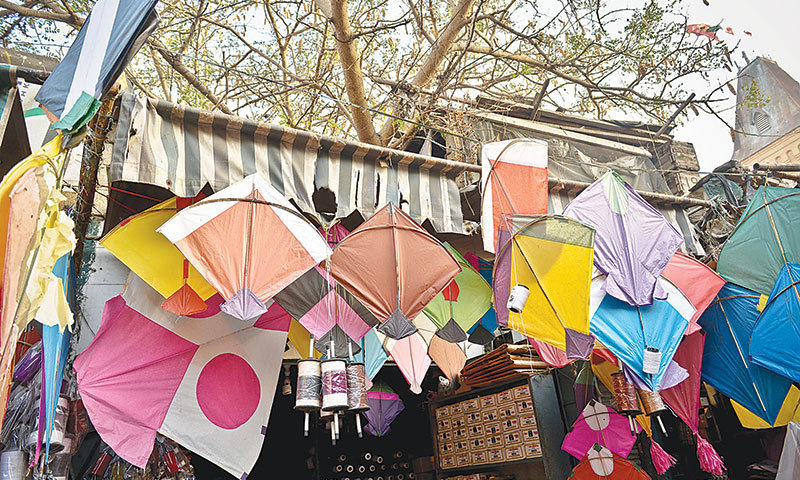

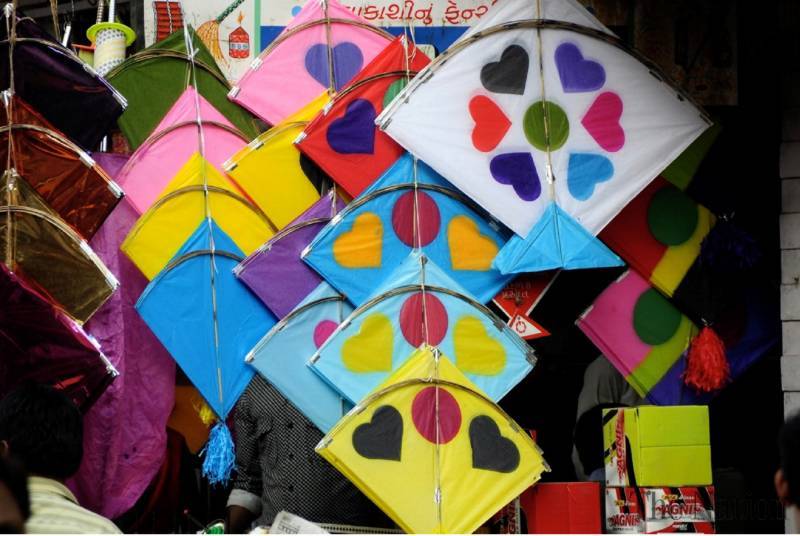

Before starting, you must understand where and how kites sell.
Types of Customers
- Children and teenagers
- Festival shoppers
- Wholesale shopkeepers
- Sports kite flyers
- Online buyers
Peak Seasons
- Spring (Basant season)
- School holidays
- Summer evenings
- Festival days
Sales Channels
- Local toy shops
- Wholesale markets
- Street stalls
- Online platforms (Facebook, WhatsApp, Daraz)
Step 2: Learn Different Types of Kites
Successful kite businesses offer variety.
Popular Kite Types
- Paper Kites (Traditional Patang)
- Plastic Kites
- Designer / Fancy Kites
- Kids Cartoon Kites
- Fighter Kites (Competition Kites)
- Large Decorative Kites
- Advertising & Event Kites
Step 3: Learn Kite Making Skills
You can learn kite making:
- From elders or experienced workers
- By watching YouTube tutorials
- Through practice at home
Basic Kite Making Skills
- Cutting bamboo sticks
- Making perfect kite frame
- Paper pasting
- Color matching and design
- Balancing the kite
- Testing flying quality
Tip: Quality flying balance is more important than design.
Step 4: Arrange Required Raw Materials
You need very simple and affordable materials.
Raw Material List
- Kite paper (colored, tissue, glossy)
- Bamboo sticks (patang ki tili)
- Glue (lassi, synthetic glue)
- Thread (manjha for testing only)
- Scissors
- Cutter blade
- Measuring scale
- Color sheets and stickers
Estimated Initial Cost
| Item | Estimated Cost (PKR) |
|---|---|
| Paper stock | 5,000 |
| Bamboo sticks | 2,000 |
| Glue & tools | 1,500 |
| Designs & colors | 1,500 |
| Total | 10,000 – 12,000 |
Step 5: Choose a Workspace
Kite work does not require a shop initially.
Suitable Workspaces
- Home room
- Rooftop
- Small workshop
- Shared space
Ensure:
- Clean area
- Dry environment
- Flat surface for pasting
Step 6: Start Small Production
Begin with limited quantity to avoid waste.
Daily Production Target
- Beginner: 20–30 kites/day
- Experienced: 100–200 kites/day
Quality Checklist
- Strong frame
- Smooth paper pasting
- Perfect symmetry
- Lightweight build
Step 7: Design & Creativity
Creative designs increase price and demand.
Design Ideas
- National flags
- Cartoon characters
- Festival themes
- Floral patterns
- Glow-in-the-dark kites
- Name-printed custom kites
Step 8: Pricing Strategy
Pricing depends on type, quality, and season.
Price Examples
| Kite Type | Cost | Selling Price |
|---|---|---|
| Simple paper kite | 15 | 25–30 |
| Fancy kite | 30 | 60–80 |
| Designer kite | 50 | 120–200 |
| Bulk wholesale | – | Lower margin |
Step 9: Selling Methods
Use multiple selling channels.
Offline Selling
- Toy shops
- Stationery shops
- Wholesale dealers
- Seasonal stalls
- Schools and event vendors
Online Selling
- Facebook Marketplace
- WhatsApp groups
- Instagram page
- Daraz seller account
Step 10: Marketing & Promotion
Marketing increases sales rapidly.
Free Marketing Ideas
- Post kite flying videos
- Share designs in WhatsApp groups
- Offer festival discounts
- Word-of-mouth promotion
- Attractive packaging
Step 11: Packaging & Branding
Good packaging increases perceived value.
Packaging Ideas
- Transparent plastic sleeves
- Branded stickers
- Bundled packs (5, 10, 20 kites)
- Festival gift packs
Step 12: Hire Helpers (Optional)
As demand grows:
- Hire local workers
- Pay per kite (piece rate)
- Train family members
Step 13: Expand Product Range
Increase profits by adding:
- Kite string spools
- Kite tails
- Kids safety gloves
- Kite repair kits
- Decorative reels
Step 14: Legal & Safety Awareness
In some areas, kite flying has seasonal or legal restrictions.
- Avoid selling dangerous glass-coated string
- Follow local laws
- Promote safe flying awareness
Step 15: Profit Estimation
Monthly Example
| Detail | Amount (PKR) |
|---|---|
| Monthly production | 3,000 kites |
| Average selling price | 40 |
| Total sales | 120,000 |
| Expenses | 60,000 |
| Net Profit | 60,000 |
Step 16: Scaling the Business
Once stable:
- Open wholesale supply
- Supply to other cities
- Accept bulk orders
- Create your brand
- Export decorative kites
Common Mistakes to Avoid
- Poor quality balance
- Overproduction without orders
- Ignoring seasonal demand
- Weak glue usage
- No market research
Future Scope of Kite Business
- Event decoration industry
- Cultural exports
- Online customized orders
- Corporate promotions
- School activity kits
Final Advice
Kite work is a low-risk, creative, and scalable business. Success depends on:
- Consistent quality
- Attractive designs
- Seasonal planning
- Strong selling network