
Introduction
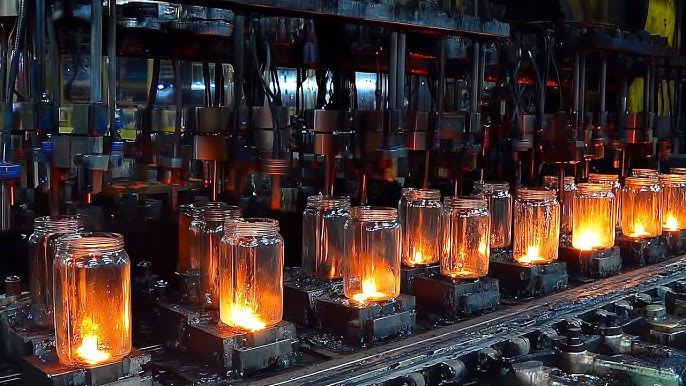
Starting a glass factory is a profitable industrial business because glass products are used in construction, home decoration, packaging, and automobile industries. The global glass industry is growing due to demand from the construction sector and manufacturing industries. One famous example of a glass manufacturing company is Saint-Gobain, which operates worldwide in advanced glass production.
A glass factory requires good capital investment, technical knowledge, machinery, skilled workers, and proper safety management.
Step 1. Do Market Research


4
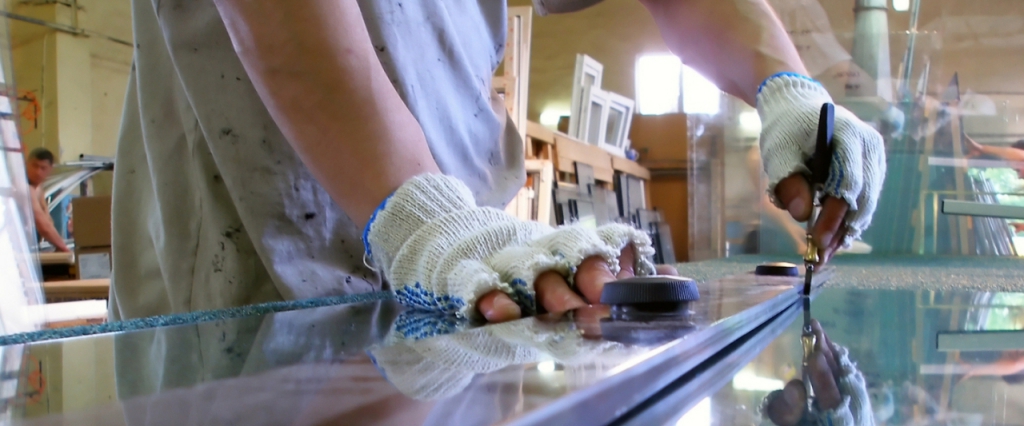
Market research is the first and most important step.
✔ Identify demand in your area
✔ Decide product type (window glass, bottles, decorative glass, etc.)
✔ Study competitors
✔ Check pricing strategy
✔ Understand export opportunities
👉 Target sectors:
- Construction companies
- Furniture industries
- Packaging industry
- Automobile glass market
Step 2. Make a Business Plan
A professional business plan helps you run the factory smoothly.
Include these points:
- Startup investment calculation
- Machinery cost
- Raw material supply chain
- Worker salary expense
- Marketing strategy
- Expected monthly production
- Break-even analysis
👉 Recommended startup scale:
- Small factory: local market supply
- Medium factory: city + nearby regions
Step 3. Choose Factory Location


4
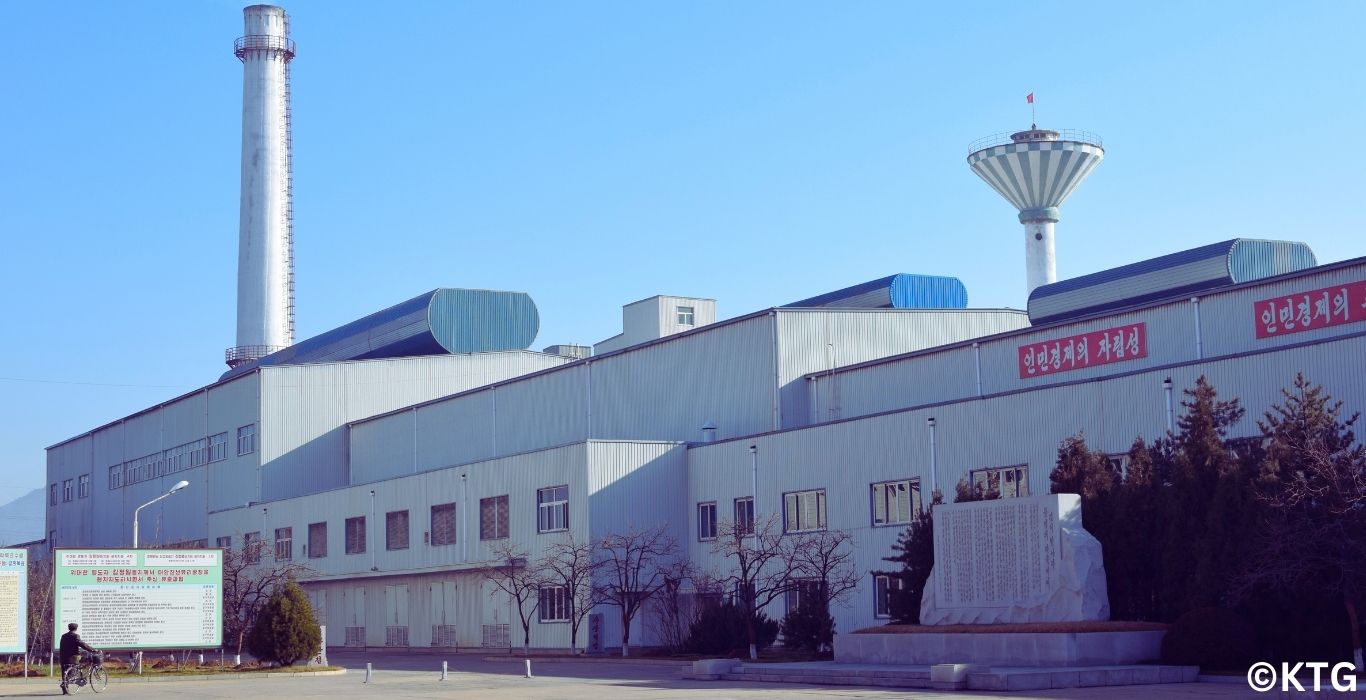
Location is very important.
✅ Select industrial zone area
✅ Ensure electricity stability
✅ Water availability
✅ Transport access
✅ Large warehouse space
Factory space requirement:
- Small factory → 2000–5000 sq ft
- Medium factory → 8000+ sq ft
Step 4. Buy Machinery and Equipment
Main machinery needed:
- Glass melting furnace
- Cutting machine
- Polishing machine
- Cooling system
- Molding machine
- Safety equipment
Approximate machinery cost:
| Equipment | Cost Estimate |
|---|---|
| Furnace system | $30,000 – $80,000 |
| Cutting machine | $5,000 – $20,000 |
| Polishing machine | $4,000 – $15,000 |
| Cooling system | $10,000 – $40,000 |
Step 5. Arrange Raw Materials
Main raw materials include:
- Silica sand
- Soda ash
- Limestone
- Recycled glass
- Color additives
👉 Always maintain a reliable supplier chain.
Step 6. Hire Skilled Workers
You need:
- Machine operator
- Quality control technician
- Packaging worker
- Electrician
- Supervisor
Typical workforce:
- Small factory → 10–20 workers
- Medium factory → 30–70 workers
Step 7. Start Production Process
Glass production usually follows these steps:
- Raw material mixing
- Melting in furnace
- Glass shaping
- Cooling and hardening
- Cutting and polishing
- Quality testing
- Packaging
⚠ Safety is very important because high temperature furnaces are used.
Step 8. Marketing Strategy
- Contact construction companies
- Supply to furniture markets
- Export glass products if possible
- Create website and social media page
- Offer wholesale price
Cost of Starting Glass Factory
| Factory Size | Investment Needed |
|---|---|
| Small scale | $80,000 – $150,000 |
| Medium scale | $200,000 – $500,000 |
| Large scale | $1M+ |
(Cost may vary by country)
Profit Potential
- Profit margin: 15% – 35%
- Monthly revenue (small factory): $15,000 – $60,000
- Break-even period: 2 – 4 years
Profit depends on:
- Production quality
- Market demand
- Energy cost
- Management efficiency
Legal Requirements
✔ Business registration
✔ Environmental permission
✔ Factory safety certification
✔ Labor law compliance
Advantages of Glass Factory Business
- High demand industry
- Export opportunity
- Long-term stable business
- Multiple product options
Challenges
- High electricity consumption
- Safety risk in furnace operation
- High initial investment
- Technical skill requirement
Conclusion
Starting a glass factory is a long-term profitable industrial business if you have enough capital and technical knowledge. Focus on quality production, market networking, and modern machinery to succeed in this industry.
Glass Factory Startup Roadmap (6–12 Months Plan)
🌱 Phase 1. Research & Planning (Month 1)
- Study local glass market demand
- Decide product type (sheet glass, bottle glass, decorative glass, etc.)
- Calculate investment budget
- Select factory location
- Prepare business plan and legal registration
👉 Goal: Clear business model and investment strategy.
🏭 Phase 2. Capital & Location Setup (Month 2)
- Arrange funding from savings, bank loan, or investors
- Rent or buy industrial land
- Build factory warehouse structure
- Arrange electricity connection (high voltage if needed)
- Install safety fire protection system
👉 Goal: Ready physical factory space.
🔧 Phase 3. Machinery Purchase (Month 3)
- Buy furnace system
- Buy cutting and polishing machines
- Install cooling equipment
- Set up material storage zone
- Test machine performance
👉 Try to buy reliable international or local industrial machines.
📦 Phase 4. Raw Material Supply Chain (Month 4)
- Contact silica sand suppliers
- Arrange soda ash and limestone supply
- Setup recycled glass collection system
- Sign long-term supplier contracts
👉 Maintain 1–2 month raw material stock.
👷 Phase 5. Hiring Workers & Training (Month 5)
- Hire machine operators
- Hire quality inspection staff
- Train workers about safety and production process
- Assign supervisor management
👉 Safety training is very important.
🔥 Phase 6. Trial Production (Month 6)
- Start small batch production
- Check glass quality
- Test furnace temperature control
- Fix technical errors
👉 Do not start mass production immediately.
📈 Phase 7. Marketing Launch (Month 7)
- Contact construction companies
- Visit furniture markets
- Build website and social media page
- Offer wholesale discount price
👉 Focus on B2B sales.
🚀 Phase 8. Full Production Start (Month 8–12)
- Increase production capacity
- Expand customer network
- Export if possible
- Improve product quality
👉 Target monthly profit stabilization.
💰 Budget Planning
- Land + Building → 25%
- Machinery → 50%
- Raw material → 15%
- Worker salary → 10%
⚠ Important Tips
- Use high-quality furnace technology
- Maintain electricity backup system
- Follow environmental safety rules
- Monitor product quality regularly