
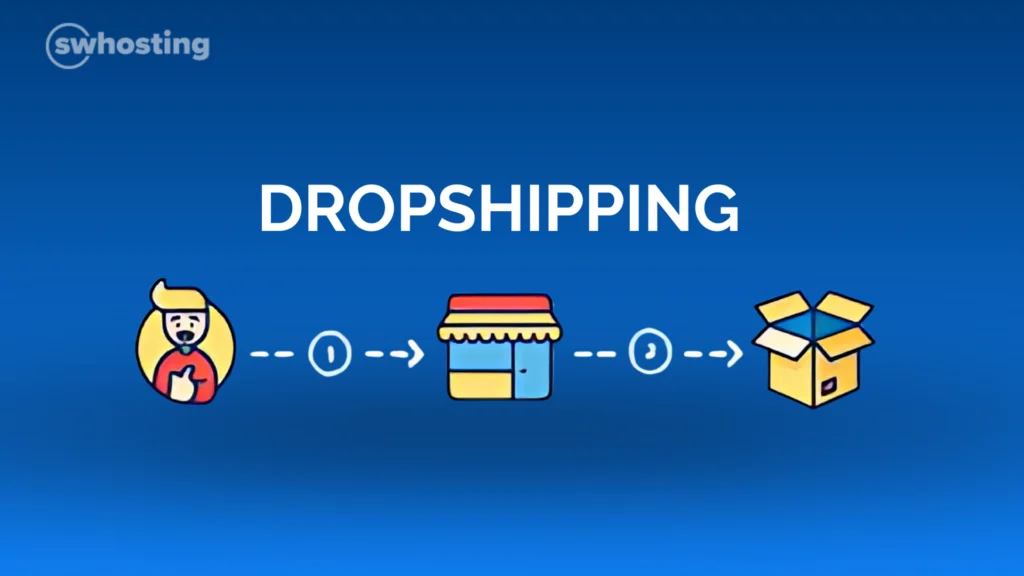
Starting a dropshipping business can be done without spending a lot of money, especially in the beginning. Here’s a guide on how to start dropshipping for free or with minimal costs:
1. Choose Your Niche
- Pick a specific market or product category that you’re passionate about or have an interest in. The key to success in dropshipping is selecting a niche with a balance of demand and competition.
- Research your niche using free tools like Google Trends, eBay, or Amazon to see what products are trending.
2. Find Suppliers
- The most common platforms to find dropshipping suppliers are:
- AliExpress: A large marketplace with suppliers who offer dropshipping services. You can browse products, contact suppliers, and have them ship directly to your customers.
- Oberlo (through Shopify): Oberlo was a popular dropshipping app, now part of Shopify. It allows you to find products to sell, but Shopify itself has some costs, so this might not be completely free.
- Spocket: Offers a wide range of products, mainly from US and EU suppliers.
- Make sure your suppliers are reliable: Look for suppliers with good reviews, fast shipping times, and quality products.
3. Create an Online Store (For Free)
There are several free platforms to build your online store:
- Shopify: It offers a free trial (14-day) but does charge monthly after that. Shopify is one of the most popular platforms for dropshipping.
- WooCommerce (WordPress): You can use WordPress (which is free) and install the WooCommerce plugin to create a fully functional eCommerce store.
- Big Cartel: Free for up to 5 products and a simple, easy-to-use platform.
- Wix: Another free website builder with dropshipping options. They have a free plan that can help you start without initial costs, but the free plan has limitations (such as ads and limited customization).
These platforms allow you to set up your store, add products, and integrate with suppliers.
4. Design Your Store
- Use free templates that come with the platform you choose. Don’t worry too much about a fancy design in the beginning. A simple, clean, and user-friendly site will do.
- Focus on providing a good customer experience with clear navigation, easy checkout, and product descriptions.
5. Market Your Store
- Social Media: Utilize free social media platforms (Instagram, Facebook, TikTok) to promote your products. You can create posts, share your journey, or use influencers to spread the word.
- Content Marketing: Write blogs (on platforms like Medium or your website) or make videos that attract people to your site. Use SEO strategies to increase organic traffic.
- Facebook Groups: Join groups related to your niche and promote your products. Ensure you follow the group rules to avoid getting banned.
- Pinterest: Create visually appealing pins and post them on Pinterest to drive traffic to your site.
6. Handle Orders
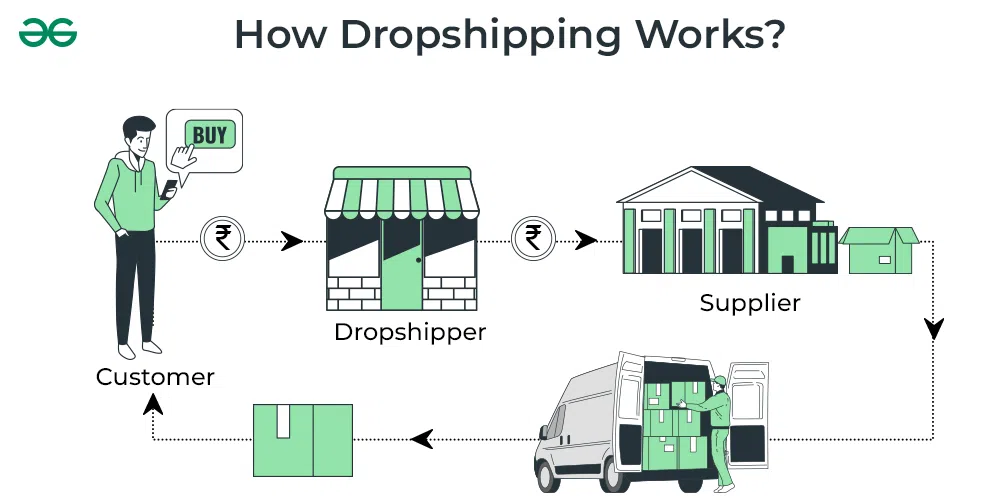
- When a customer places an order, you forward it to your supplier. The supplier will then handle the shipping.
- Automate as much as possible: Some apps (like Oberlo or DSers) integrate with platforms like Shopify and WooCommerce, making the process easier.
7. Customer Service
- Good customer service is critical. Be responsive to customer inquiries and resolve issues quickly.
- Use free tools like email or Facebook Messenger to stay in touch with customers and handle any concerns.
8. Focus on Optimization
- As you grow, keep an eye on your performance. Track your sales, identify which products sell the best, and optimize your store.
- Use free tools like Google Analytics to monitor traffic and behavior on your site.
Additional Tips for Success:
- Stay consistent: Dropshipping takes time to build momentum. Don’t get discouraged if you don’t see results immediately.
- Learn as you go: Utilize free resources like YouTube, blogs, and free courses to learn more about dropshipping.
- Customer trust: Offer clear return policies, secure payment options, and reliable shipping to make customers feel safe.
🌍 How to Expand Your Dropshipping Business Worldwide
✅ 1. Choose Global-Friendly Products
Not all products are ideal for international shipping. To succeed globally:
- Focus on lightweight, non-fragile, and unbranded items.
- Check if the product is legally allowed and culturally acceptable in the countries you’re targeting.
- Avoid restricted or niche products with shipping/customs issues (e.g. knives, liquids, batteries).
Examples of globally friendly products:
- Phone accessories
- Fashion items (basic t-shirts, caps, jewelry)
- Fitness accessories
- Home decor items
- Pet supplies
✅ 2. Use Global Dropshipping Suppliers
Use suppliers who ship internationally, quickly, and reliably.
🔹 Recommended Suppliers:
| Platform | Pros |
|---|---|
| AliExpress (via DSers) | Ships globally, supports many languages |
| CJ Dropshipping | Faster delivery, warehousing in multiple countries |
| Zendrop | US-based, but ships globally |
| Spocket | Offers EU/US suppliers with fast global shipping |
🧠 Tip: Look for suppliers with warehouses in the US, UK, EU, Australia, etc., for faster delivery to customers in those regions.
✅ 3. Optimize Your Store for International Shoppers
🔸 Add Multi-Currency Support:
- Use auto currency converters (many apps do this for Shopify or WooCommerce).
- Display prices in local currencies to reduce buyer hesitation.
🔸 Enable Multi-Language:
- Use free apps like Weglot (Shopify) or Google Translate plugin (WooCommerce).
🔸 Set International Shipping Policies:
- Be clear about delivery times per region.
- Offer free shipping if possible, or set fair rates.
✅ 4. Run Global Marketing Campaigns
You’ll need to target global customers with your ads and content.
🔸 Facebook & Instagram Ads:
- Use “Worldwide” targeting or focus on specific regions (e.g. Europe, Canada, Australia).
- Create location-specific ad sets to test which country converts best.
🔸 TikTok Organic & Ads:
- Post short videos showcasing your product with global hashtags.
- Test TikTok ads in high-potential countries.
🔸 Google Shopping Ads:
- If your store is on Shopify or WooCommerce, you can list products in Google Shopping in multiple countries.
🔸 Influencer Marketing:
- Work with micro-influencers in different countries.
- They can promote your product to local audiences in their language.
✅ 5. Offer Local Payment Methods
Not everyone uses credit cards or PayPal. Add local payment options to reduce cart abandonment.
Examples:
- Stripe (credit cards globally)
- PayPal (widely trusted)
- Klarna (popular in Europe)
- iDEAL (Netherlands)
- Razorpay (India)
✅ 6. Use International Warehouses (Optional for Scaling)
As you grow, you can store your best-selling products in warehouses in other countries to enable faster shipping.
Services like:
- CJ Dropshipping Warehouses
- ShipBob (US, EU)
- Fulfillment by Amazon (FBA) if using Amazon too
✅ 7. Localize Your Customer Support
- Use auto-translators in live chat (e.g. Tidio, Zendesk).
- Create FAQs and policies in multiple languages.
- Offer support time zones that cover your international audience.
🌍 Best Countries to Target (2025)
Start with countries that are known for high eCommerce activity and reliable shipping infrastructure:
| Region | Recommended Countries |
|---|---|
| North America | USA, Canada |
| Europe | UK, Germany, France, Netherlands, Sweden |
| Oceania | Australia, New Zealand |
| Asia | Singapore, UAE, Japan, South Korea |
| South America | Brazil, Chile (for advanced users) |
🧠 Pro Tips for Global Dropshipping:
- Start with 1–2 countries before going global all at once. Test, learn, then scale.
- Track orders with apps like AfterShip to keep customers informed.
- Collect customer emails and segment by region to send country-specific offers.
- Learn from competitors by analyzing global stores using tools like SimilarWeb or Commerce Inspector.
🔚 Summary: Your Global Expansion Checklist
✅ Product is suitable for international shipping
✅ Suppliers can ship worldwide with tracking
✅ Store supports multiple currencies/languages
✅ International shipping policies are clear
✅ Global marketing campaigns are running
✅ Local payment options are offered
✅ Exploring warehousing for faster global delivery
✅ Customer support is ready for worldwide traffic
Your article helped me a lot, is there any more related content? Thanks! https://accounts.binance.info/ar/register-person?ref=PORL8W0Z
Thank you for your sharing. I am worried that I lack creative ideas. It is your article that makes me full of hope. Thank you. But, I have a question, can you help me?