

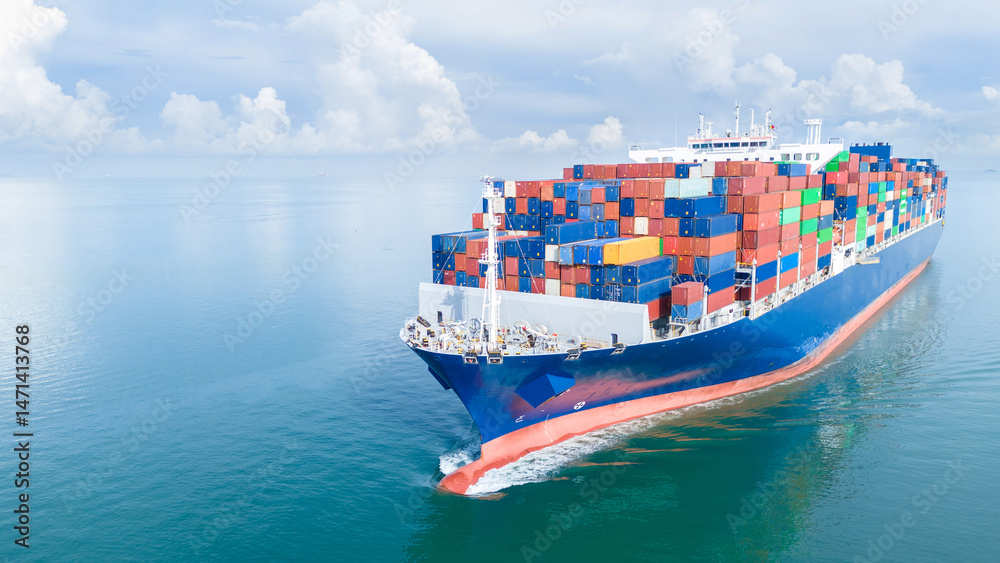
Starting a worldwide shipping business (global logistics or freight forwarding) is a big venture but can be highly profitable if planned well. Here’s a step-by-step breakdown in simple words:
1. Choose Your Shipping Model
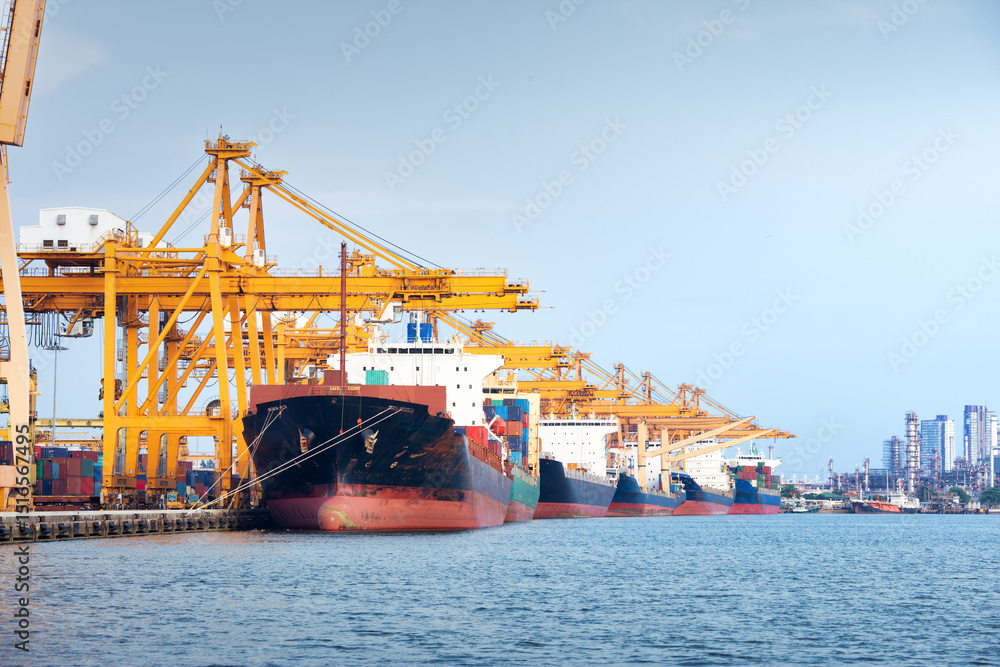
You need to decide how you want to operate:
- Freight Forwarding → Arranging transport for others (by sea, air, road).
- Courier/Parcel Delivery → Like DHL, FedEx, or Aramex.
- Shipping Line → Owning ships to carry containers (very expensive).
- Dropshipping Logistics → Partnering with e-commerce businesses.
2. Market Research
- Study import/export demand in your country.
- Identify high-demand routes (e.g., Asia to Europe, Middle East to Africa, etc.).
- Understand competitors like DHL, UPS, Maersk, etc.
3. Legal Setup
- Register your company (LLC or Pvt Ltd).
- Get trade license and shipping permits.
- If international, join bodies like FIATA (International Federation of Freight Forwarders) or local shipping associations.
4. Partnership
- Sign agreements with airlines, shipping lines, and trucking companies.
- Partner with customs brokers for import/export clearance.
- Build a global agent network (companies in other countries that handle delivery).
5. Infrastructure
- Office setup with shipping management software.
- Warehouses near ports or airports (for storing goods).
- Vehicles if doing last-mile delivery.
6. Technology
Use tools for tracking & management:
- Freight management software.
- Real-time shipment tracking apps.
- Online booking system for customers.
7. Capital & Funding
- Small freight forwarding: $10,000–$50,000.
- Owning ships/aircraft: Millions of dollars.
- Can start small as a freight forwarder with low investment, then grow.
8. Marketing & Clients
- Build a strong website showing services.
- Target import/export businesses.
- Offer competitive prices with good delivery times.
- Use B2B platforms (Alibaba, TradeIndia, Global Sources) to find clients.
✅ Tip: If you are new, start as a freight forwarder. It requires less capital, and you don’t need to own ships or planes — just manage the shipping process through partners.

🌍 World Shipping Business Plan (Template)
1. Executive Summary
- Business Name: [Your Company Name] Shipping & Logistics
- Business Model: Freight Forwarding (air, sea, and land)
- Target Market: Import/export businesses, e-commerce companies, manufacturers
- Mission Statement: To provide fast, reliable, and cost-effective global shipping solutions.
- Vision: Become a trusted international logistics partner within 5 years.
2. Company Overview

- Type: Private Limited (Pvt Ltd / LLC)
- Location: Near major port/airport in your country
- Services Offered:
- Sea freight forwarding
- Air freight forwarding
- Customs clearance
- Warehousing & distribution
- Last-mile delivery (optional at start)
3. Market Analysis
- Global Freight Market Size: $9+ trillion industry (2025 est.)
- Key Routes: Asia → Europe, Asia → Middle East, USA → Middle East, China → Africa
- Competitors: DHL, FedEx, UPS, Maersk, Aramex, local shipping firms
- Opportunity: Small & mid-sized businesses need affordable, flexible solutions
4. Business Structure
- Owner / CEO: [Your Name]
- Team (initial):
- Operations Manager (handles shipments)
- Customs Agent (outsourced or hired)
- Sales & Marketing Executive
- Accountant / Finance Manager
- Support staff
5. Startup Costs (Estimated)
(for small–medium freight forwarding company)
| Expense | Estimated Cost (USD) |
|---|---|
| Company Registration & Licenses | $5,000 – $10,000 |
| Office Setup & Rent | $3,000 – $7,000 |
| Software (Tracking & Billing) | $2,000 – $5,000 |
| Initial Staff Salaries (3-6 mo) | $15,000 – $25,000 |
| Marketing & Website | $2,000 – $5,000 |
| Working Capital (operations) | $20,000 – $40,000 |
| Total Investment | $50,000 – $90,000 |
6. Revenue Model
- Sea Freight: $500 – $3,000 per container (profit margin ~10–20%)
- Air Freight: $3 – $6 per kg (profit margin ~15%)
- Customs Clearance Services: $200 – $500 per shipment
- Warehousing: $2 – $5 per pallet/day
👉 Expected Monthly Revenue (first year): $15,000 – $50,000
👉 Profit Margin: 15%–25%
7. Marketing Plan

- Build a professional website with shipment tracking.
- Use Google Ads, LinkedIn, and B2B marketplaces (Alibaba, TradeIndia).
- Attend trade expos & build network with import/export businesses.
- Offer introductory discounts to attract new clients.
8. Growth Strategy
- Year 1: Build partnerships with shipping lines & airlines.
- Year 2: Expand warehouses & hire more staff.
- Year 3: Start own trucking fleet for last-mile delivery.
- Year 5: Consider leasing small ships or charter flights.
9. Risks & Challenges
- High competition from big players.
- Fuel & freight price fluctuations.
- Customs delays or legal issues.
- Need for strong cash flow to pay carriers before clients pay invoices.
10. Conclusion
Starting small as a freight forwarder is the safest entry into world shipping. With time, reinvest profits into owning warehouses, trucks, or even ships/planes for bigger expansion.
📊 3-Year Profit Forecast
Year 1 (Startup Phase)
- Monthly Revenue: $20,000 – $40,000
- Annual Revenue: $240,000 – $480,000
- Operating Costs (staff, rent, software, marketing): ~ $180,000 – $250,000
- Net Profit: $60,000 – $120,000
- Profit Margin: 15%–20%
Year 2 (Growth Phase)
- Business expands with more clients & routes.
- Monthly Revenue: $50,000 – $80,000
- Annual Revenue: $600,000 – $960,000
- Operating Costs: $400,000 – $600,000 (more staff, bigger warehouse)
- Net Profit: $150,000 – $300,000
- Profit Margin: 20%–25%
Year 3 (Expansion Phase)
- Possible own trucks, more warehouses, stronger partnerships.
- Monthly Revenue: $100,000 – $150,000
- Annual Revenue: $1.2M – $1.8M
- Operating Costs: $800,000 – $1.2M
- Net Profit: $400,000 – $600,000
- Profit Margin: 25%–30%
✅ Summary Table
| Year | Revenue (USD) | Costs (USD) | Net Profit (USD) | Profit Margin |
|---|---|---|---|---|
| 1 | 240k – 480k | 180k – 250k | 60k – 120k | 15–20% |
| 2 | 600k – 960k | 400k – 600k | 150k – 300k | 20–25% |
| 3 | 1.2M – 1.8M | 800k – 1.2M | 400k – 600k | 25–30% |
👉 By the end of Year 3, your shipping business could be making half a million USD in yearly profit if run efficiently.
Shipping (transportation of cargo) — Wikipedia Wikipedia
If you want, I can also find more specialized Wikipedia articles (freight forwarding, global shipping networks, logistics) that might be useful.
I don’t think the title of your article matches the content lol. Just kidding, mainly because I had some doubts after reading the article. https://accounts.binance.info/kz/register?ref=K8NFKJBQ